
- Industry calls for greater support as 14,000 service leavers seek new careers each year
- Armed Forces Day spotlight on the untapped potential of ex-military personnel in the UK’s fast-growing offshore renewables sector in the East of England.

More than 14,000 highly skilled service personnel leave the UK Armed Forces every year in search of new careers, many from Army and RAF bases across the East of England.
Energy industry leaders are calling for greater investment commitment and support to help these veterans transition into roles where their expertise is urgently needed.
As the nation marks Armed Forces Day (Saturday June 27), employers and industry representatives say former military personnel remain a significantly under-used workforce despite having the skills, mindset and experience needed to help drive the UK’s energy transition.
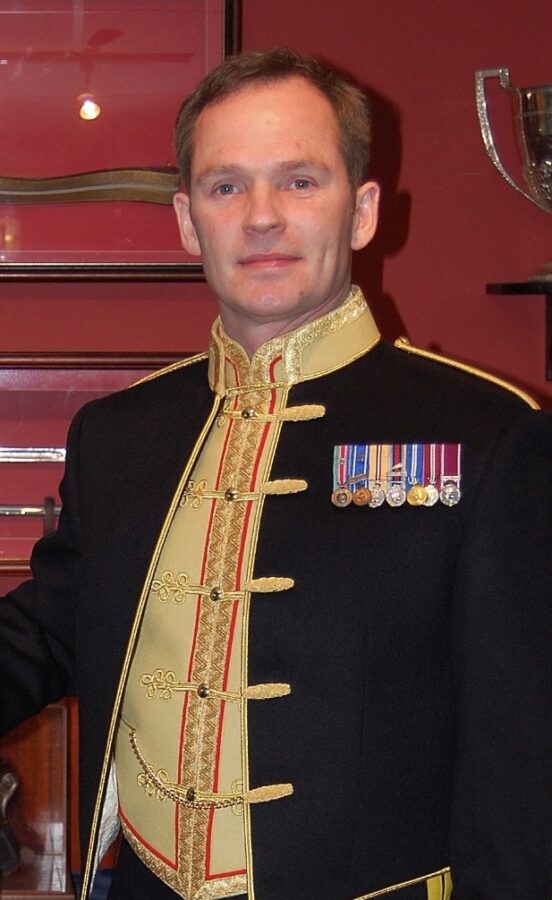
One veteran who made the move successfully is Mick Wilkinson, a former Regimental Sergeant Major with the Light Dragoons, who spent 22 years in the Army, including seven operational tours in the Balkans, Iraq and Afghanistan.
A warrant officer class one, which is the top of the army career structure for an enlisted soldier, he had been stationed at Swanton Morley for 13 years working in the “eyes and ears of the Army,” the armoured corps reconnaissance.
He wanted to remain in Norfolk after leaving the military and was keen to enter the growing energy sector.
“There’s no need for tank commanders offshore,” he joked.
Through the East of England Group’s (EEEGR) Skills for Energy programme and support from Leavers Link, Mick was introduced to industry contacts at EEEGR’s Southern North Sea conference to investigate where his skills would fit, meeting Neil Murphy, technical manager and director at industrial bolting specialist Hytorc, where he secured work experience and a formal job offer before leaving the Army in 2014.
Twelve years later, he is now regional manager, still working closely with Neil, and helping grow the business, setting up its Great Yarmouth base and building the company’s presence across Humberside.
“For me, the transition into energy was seamless and the right choice,” said Mick.
“If I was recruiting in a business, I would look at ex-military first and always interview them. Energy lends itself to ex-service personnel – their work ethic, transferable skills, mindset, problem-solving abilities, experience of working in isolation, in small teams and under pressure are exactly what the sector needs.”
“It is like removing one uniform and replacing it with another, more corporate version.”
Suzanne Allen, Skills for Energy Manager at EEEGR, said veterans represented one of the region’s most valuable yet overlooked talent pipelines.
“We recognise the value serving personnel, reservists, veterans and military families contribute to our businesses and our country,” she said.
“We have actively highlighted to local authorities that ex-service personnel are an underutilised resource. Funding should be allocated to supporting them into careers across both the public and private sectors, ensuring this remains firmly on the agenda.”
EEEGR continues to connect veterans with employers across the energy industry and has signed the Armed Forces Covenant in recognition of its commitment to the military community.
The benefits of recruiting former service personnel are recognised across the sector.
Great Yarmouth-based engineering company Stowen, a Bronze Armed Forces Covenant award holder, has recently recruited 10 former military personnel to support work on the Hornsea 3 Offshore Wind Farm.
Managing Director Gary Horner said:
“As a company, we actively look for people who have served their country and want to help them build new career paths. They are highly solutions-focused individuals who bring exactly the qualities we need.”
“Our clients are incredibly supportive too. Veterans often already hold security clearance, allowing them to get to work more quickly, while pairing them with experienced technicians helps accelerate their development.”
Dardan Security’s largest share of work is in the energy industry – oil and gas, offshore wind farms, from Norfolk, to Hull, Aberdeen to Inverness – including protection of critical national energy infrastructure offshore and onshore, including Bacton, where its team was citied earlier this year as delivering gold standard service. Many of its 500-strong team are ex-military
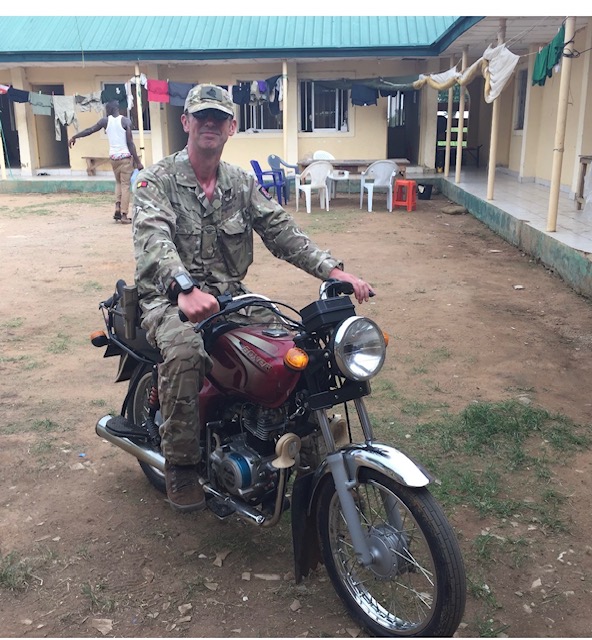
CEO Andrew Buxton served with the Royal Anglian Regiment for 31 years, joining the infantry at 16. He left eight years ago in his 40s, returning to Norfolk where he grew up, with tours of Northern Ireland, the Balkans, Afghanistan and West Africa during his service, where he was engaged in operational and combat operations, reconnaissance and surveillance.
He was a chief instructor at Sandhurst training new army officers.
“One of my last jobs was in resilience and counter terrorism and I was heavily involved with the Ministry of Defence response to any incident to critical national infrastructure.”
National business Dardan, headquartered in Cambridge, supplies security advice, personnel, physical security 24/7 by security officers, mobile response and technology, including cameras, system and monitoring from its operations centre to the major energy operators.
OEG Renewables, which has bases globally – including Great Yarmouth and Lowestoft – with its training centre in Liverpool. It has a Gold Armed Forces Covenant Award and recently secured a contract to provide training through the Career Transition Partnership (CTP), helping service leavers gain the practical skills needed for careers in offshore energy.
It delivers the Global Wind Organisation (GOW) pathway using the ITC (Industry Training Confederation) level three certificate in safe working practice in the wind turbine industry through the military funding ELCAS (Enhanced Learning Credits Administration).
Gary Paterson, Head of Training at OEG Renewables and a former Sergeant Major with the Royal Electrical and Mechanical Engineers (REME), believes realistic guidance is critical.
Many service leavers want to be become wind turbine technicians, which demand higher level three entry qualifications, but there are numerous pathways into the industry that lead to progression, he said.
“Roles in pre-assembly, installation support and onshore operations can provide excellent entry points, allowing people to build competence, experience and progression opportunities over time
Norvic Security Group, based at Scottow near Norwich, employs a workforce made up of approximately 80 per cent former service personnel. The company provides specialist security surveillance, asset protection, drug detection and explosive detection services.
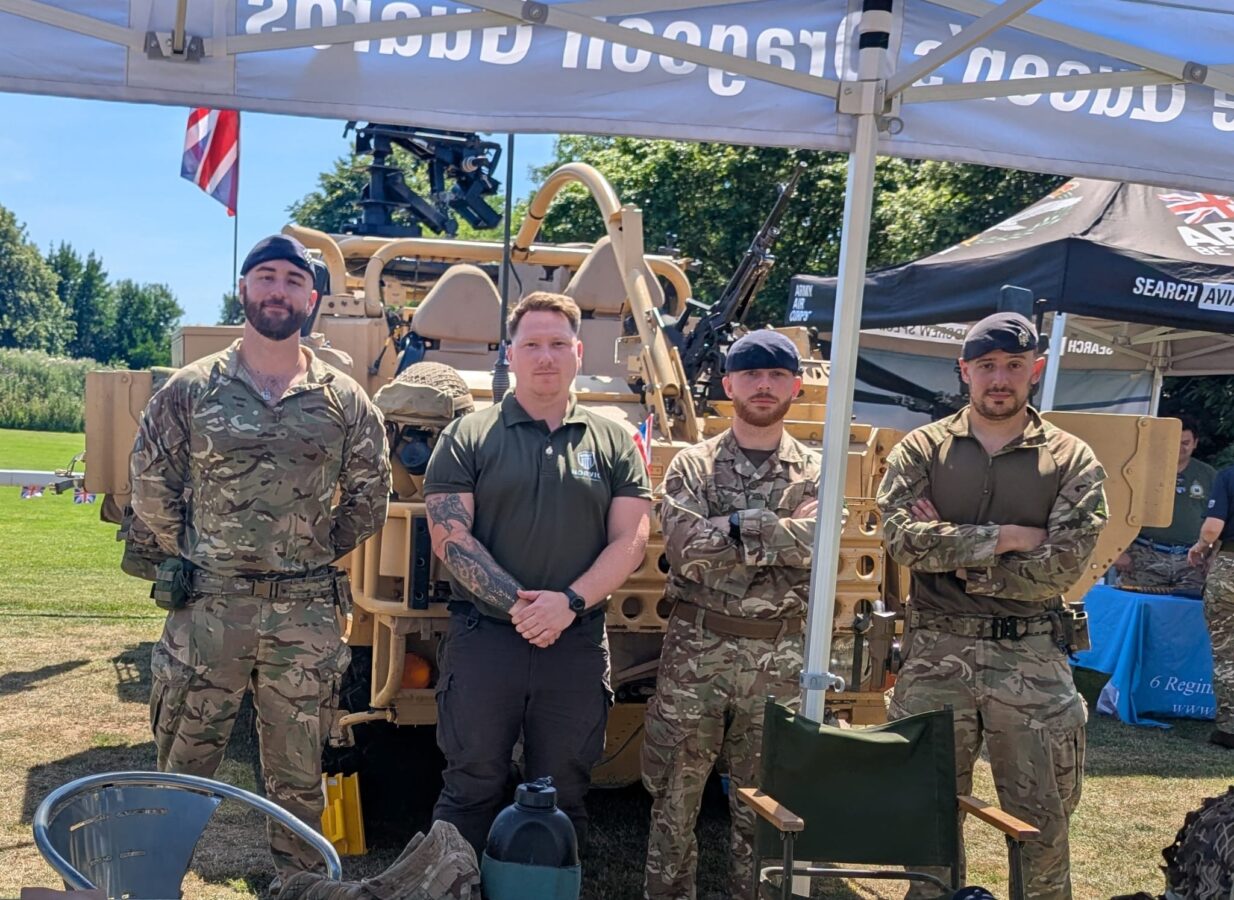
Founder Fionnbharr Oakmur, who served in the Royal Artillery, believes veterans bring unmatched capability to security roles.
“The best people to do the jobs that we do are security-cleared veterans,” he said.
EEEGR chair Kevin Keable said: “With deepening skills shortages, the energy industry needs these highly skilled individuals to play a vital role in meeting workforce demand.
“The Armed Forces are an untapped talent pool that needs greater funding, stronger transition support and increased awareness of the varied opportunities available across the sector.”